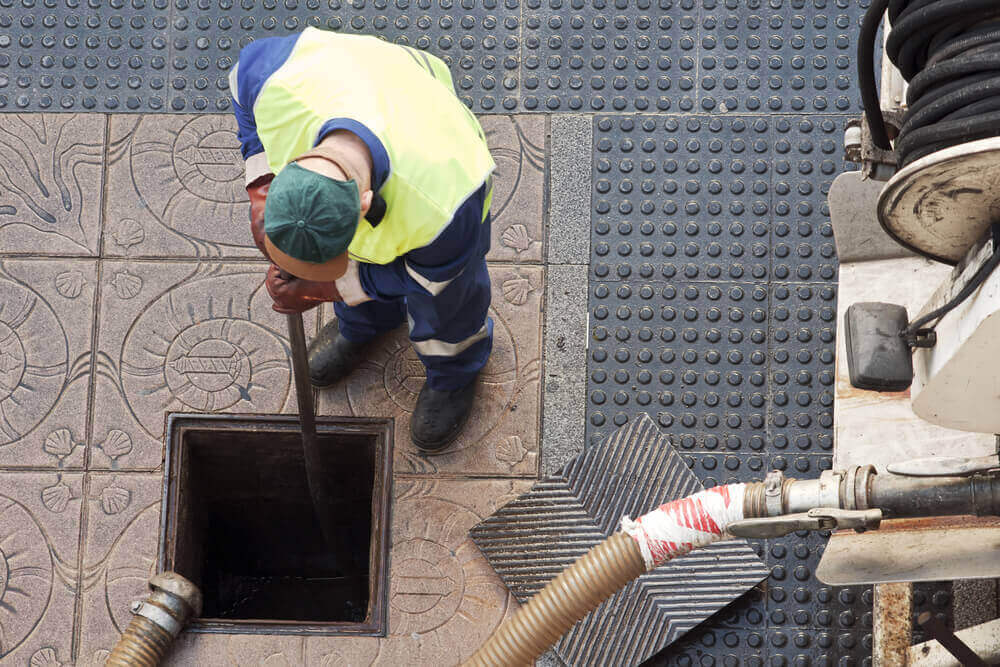
Drainage treatment services play a crucial role in managing wastewater, stormwater, and industrial effluents in a safe and environmentally responsible way 通渠價格. As urban areas continue to expand and industrial activities increase, the pressure on drainage systems has grown significantly. Without proper treatment, contaminated water can harm ecosystems, pollute drinking water sources, and create serious public health risks. Drainage treatment services ensure that wastewater is properly processed, cleaned, and safely returned to the environment or reused where possible.
One of the primary functions of drainage treatment services is the removal of harmful contaminants from wastewater. This includes organic waste, chemicals, oils, heavy metals, and other pollutants that enter drainage systems from homes, businesses, and industries. Treatment facilities use a combination of physical, chemical, and biological processes to separate and neutralize these substances. By doing so, they prevent untreated wastewater from damaging natural water bodies such as rivers, lakes, and oceans.
Another important aspect of drainage treatment services is the protection of public health. Untreated or poorly managed wastewater can carry dangerous pathogens, including bacteria, viruses, and parasites. When these contaminants enter water supplies or flood residential areas, they can cause serious diseases and infections. Effective drainage treatment ensures that harmful microorganisms are eliminated or significantly reduced before water is released back into the environment.
Drainage treatment services also contribute significantly to environmental protection. Ecosystems depend on clean water to sustain aquatic life and maintain ecological balance. When polluted water enters natural habitats, it can disrupt food chains, reduce oxygen levels in water bodies, and lead to the death of fish and other wildlife. Proper treatment helps maintain water quality and supports biodiversity by ensuring that only clean or safely treated water is discharged.
Modern drainage treatment services often rely on advanced technologies to improve efficiency and effectiveness. Treatment plants may use filtration systems, sedimentation tanks, biological reactors, and chemical dosing units to process wastewater. These technologies work together to remove solid waste, break down organic matter, and neutralize harmful chemicals. Automation and digital monitoring systems also help operators track water quality in real time, ensuring consistent treatment standards.
Industrial drainage treatment services are particularly important due to the high level of contamination found in industrial wastewater. Factories, manufacturing plants, and processing facilities often release water containing toxic substances and complex chemical compounds. Specialized treatment solutions are required to handle these challenges. Depending on the type of industry, treatment processes may include oil separation, heavy metal removal, and advanced chemical neutralization techniques.
In residential and commercial settings, drainage treatment services focus on managing everyday wastewater from kitchens, bathrooms, and sanitation systems. Although this type of wastewater is less toxic than industrial effluent, it still contains organic waste, detergents, and bacteria. Treatment services ensure that this water is properly processed before being released into municipal systems or natural environments. This helps maintain hygiene and prevents contamination in urban areas.
Stormwater management is another key component of drainage treatment services. Rainwater runoff often carries pollutants such as dirt, oil, litter, and chemicals from roads and surfaces. If not treated properly, this runoff can pollute rivers and groundwater. Treatment systems designed for stormwater help filter and clean this water before it enters natural waterways. This is especially important in cities with large paved areas where water absorption into the ground is limited.
Sustainability is becoming an increasingly important focus within drainage treatment services. Many modern systems are designed to recycle and reuse treated water for non-drinking purposes such as irrigation, industrial cooling, and cleaning. This reduces the demand for fresh water resources and helps conserve water in regions facing scarcity. Sustainable treatment practices also minimize energy consumption and reduce the environmental footprint of water management systems.
Another essential benefit of drainage treatment services is flood prevention support. When drainage systems are properly maintained and treated, water flows more efficiently through channels and pipes. Blockages and contamination buildup are reduced, lowering the risk of overflow and flooding during heavy rainfall. In urban areas, this helps protect infrastructure, homes, and businesses from water damage.
Regular maintenance is a key part of effective drainage treatment services. Over time, sediment, grease, and debris can accumulate in drainage systems, reducing efficiency and increasing the risk of blockages. Routine cleaning, inspection, and system upgrades help maintain optimal performance. Maintenance also ensures that treatment facilities continue to operate within environmental and safety standards.
Drainage treatment services also play a role in supporting water reuse initiatives. Treated wastewater can be safely reused for agricultural irrigation, landscaping, and industrial processes. This not only conserves freshwater resources but also reduces the volume of wastewater discharged into the environment. Water reuse is becoming an important strategy in regions facing water shortages and climate-related challenges.
Regulatory compliance is another critical aspect of drainage treatment services. Governments and environmental agencies set strict standards for wastewater discharge to protect public health and ecosystems. Treatment providers must ensure that all processes meet these regulations. Failure to comply can result in penalties, environmental damage, and reputational harm. Professional drainage treatment services help organizations meet legal requirements while maintaining operational efficiency.
Public awareness and education also contribute to the success of drainage treatment services. Many drainage problems are caused by improper disposal of waste, such as pouring oils, chemicals, or non-biodegradable materials into drains. Educating communities about responsible waste disposal helps reduce the burden on treatment systems and improves overall efficiency. When individuals understand their role in maintaining clean drainage systems, the entire process becomes more effective.
Technological innovation continues to transform drainage treatment services. Smart sensors, AI-based monitoring systems, and automated control units are increasingly being used to optimize treatment processes. These technologies allow for real-time data analysis, early detection of system issues, and improved energy efficiency. As a result, treatment plants can operate more effectively while reducing operational costs.
In conclusion, drainage treatment services are essential for maintaining environmental safety, public health, and sustainable water management. They ensure that wastewater is properly cleaned, treated, and safely returned to nature or reused for practical purposes. From industrial waste handling to stormwater management and water recycling, these services address a wide range of critical needs. As global water challenges continue to grow, the importance of efficient and reliable drainage treatment services will only increase, making them a fundamental part of modern infrastructure and environmental protection.