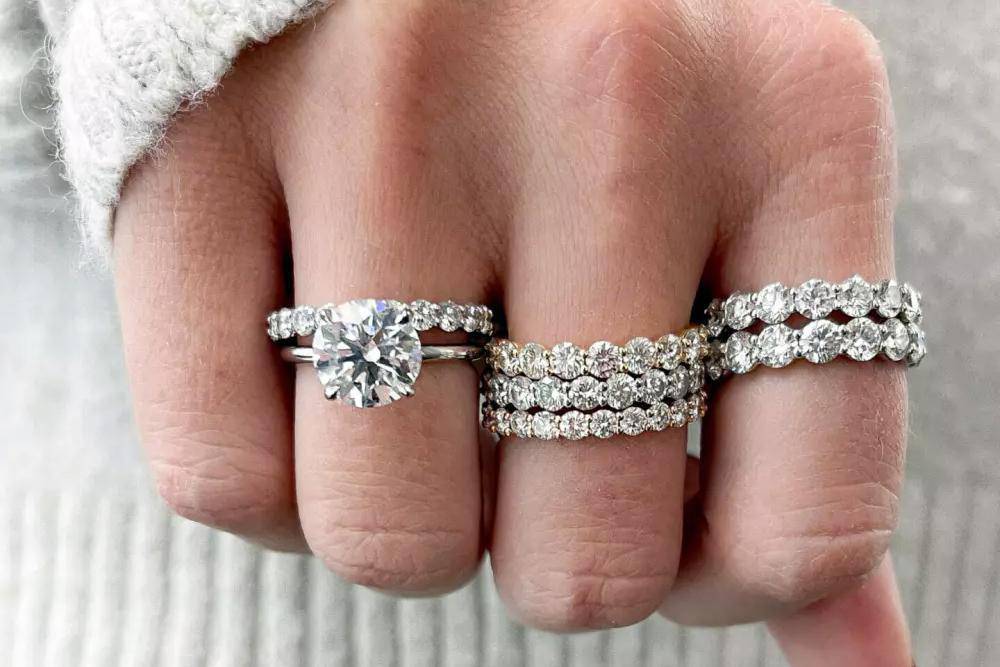
Lab-grown diamonds are becoming one of the most talked about innovations in the jewelry industry, reshaping how people think about luxury, sustainability, and value. These diamonds are created using advanced scientific processes that replicate the natural conditions under which diamonds form deep within the earth 人造鑽石香港. Although they share the same physical, chemical, and optical properties as mined diamonds, they are produced in controlled laboratory environments, offering a modern alternative that appeals to a wide range of consumers.
Lab-grown diamonds have gained attention because they offer a combination of beauty and ethical sourcing. Many buyers today are more conscious about where their products come from and how they are made. Traditional diamond mining has long been associated with environmental impact and complex supply chains, which has led some consumers to explore more sustainable options. Lab-grown diamonds provide a solution that reduces the need for large scale mining while still delivering the brilliance and durability expected from fine jewelry.
The creation process of lab-grown diamonds is a remarkable achievement in modern science. These diamonds are formed using methods that simulate the intense heat and pressure found deep within the earth’s mantle. Carbon atoms are arranged in a crystal structure over time, resulting in a stone that is virtually identical to a natural diamond. Because of this process, even expert gemologists often require specialized equipment to distinguish between lab-grown and natural diamonds.
One of the key advantages of lab-grown diamonds is their accessibility. They are often more affordable than mined diamonds of similar size and quality. This price difference allows consumers to purchase larger or higher quality stones within the same budget. As a result, lab-grown diamonds have become increasingly popular among younger generations who value both appearance and practicality when making purchasing decisions.
Sustainability is another major factor driving the popularity of lab-grown diamonds. The jewelry industry has seen a growing demand for environmentally responsible practices, and lab-created stones align with this shift in consumer values. By reducing the need for large scale excavation, lab-grown diamonds help minimize disruption to ecosystems and reduce the overall environmental footprint associated with traditional diamond mining. This makes them an appealing choice for individuals who prioritize eco friendly living.
In addition to environmental benefits, lab-grown diamonds also offer transparency in sourcing. Consumers can more easily understand the origin of these stones because they are produced in controlled facilities. This level of traceability provides reassurance to buyers who want clarity about the ethical standards behind their jewelry. The ability to know exactly how a diamond was created adds a layer of confidence that is sometimes harder to achieve with mined stones.
The quality of lab-grown diamonds continues to improve as technology advances. Modern production techniques allow for greater precision, resulting in stones with fewer imperfections and enhanced clarity. As scientific methods evolve, the consistency and quality of these diamonds are expected to improve even further. This ongoing development has helped lab-grown diamonds gain recognition not only as alternatives but also as desirable choices in their own right.
Designers and jewelry brands have also embraced lab-grown diamonds as part of their collections. These stones are now commonly used in engagement rings, earrings, necklaces, and other fine jewelry pieces. Their versatility allows designers to experiment with a wide range of styles, from classic elegance to modern minimalism. As consumer demand grows, more brands are incorporating lab-grown diamonds into their offerings, expanding the variety available in the market.
Despite their many advantages, lab-grown diamonds are sometimes compared to natural diamonds in terms of emotional and symbolic value. Some people still prefer mined diamonds due to tradition or personal significance. However, attitudes are gradually shifting as awareness of lab-grown diamonds increases. Many consumers now recognize that the beauty and structure of these stones are identical to those formed naturally, making them equally meaningful for special occasions.
Education plays an important role in the growing acceptance of lab-grown diamonds. As more information becomes available, consumers are better equipped to make informed decisions. Understanding the science behind these diamonds helps remove misconceptions and highlights the fact that they are not imitation stones but real diamonds created through different processes. This knowledge has contributed to increased trust and interest in lab-grown options.
The market for lab-grown diamonds is expected to continue expanding as technology becomes more efficient and production costs decrease. This growth is also driven by shifting consumer preferences toward sustainable and ethical products. As awareness spreads, more people are likely to consider lab-grown diamonds as a first choice rather than an alternative. This change in perception marks a significant transformation in the jewelry industry.
Innovation in this field is not limited to production alone. Advances in cutting and polishing techniques have also enhanced the final appearance of lab-grown diamonds. Skilled craftsmanship combined with scientific precision ensures that each stone meets high aesthetic standards. The result is a product that rivals traditional diamonds in brilliance and visual appeal, further strengthening its position in the market.
Lab-grown diamonds also offer flexibility in customization. Because they are produced in controlled environments, it is easier to create stones with specific characteristics such as size, shape, and clarity. This level of customization allows jewelers to meet individual preferences more accurately, giving customers greater control over their final design. Personalized jewelry has become increasingly popular, and lab-grown diamonds support this trend effectively.
As global awareness of environmental and ethical issues continues to grow, lab-grown diamonds are likely to play an even more important role in the future of the jewelry industry. They represent a shift toward responsible luxury, where beauty and sustainability coexist. This balance appeals to modern consumers who want products that reflect their values without compromising on quality or appearance.
In conclusion, lab-grown diamonds have transformed the way people view fine jewelry by offering a sustainable, ethical, and high quality alternative to traditional mined stones. Their scientific creation process, combined with increasing consumer awareness, has positioned them as a significant innovation in the industry. As technology continues to advance and preferences evolve, lab-grown diamonds are set to become an even more influential part of the global jewelry market, symbolizing a new era of responsible and modern luxury.