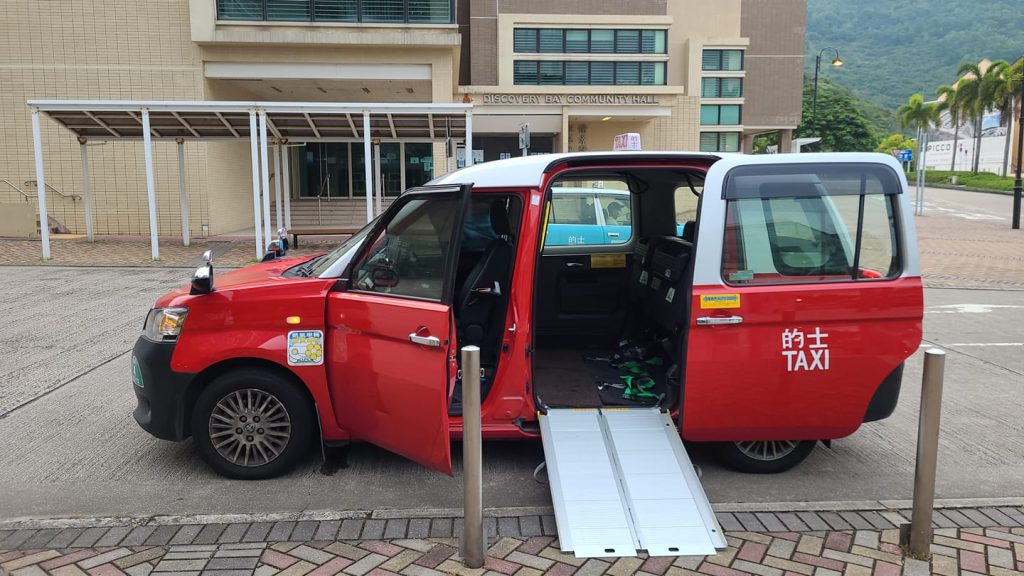
The need for a reliable Wheelchair accessible taxi service has become increasingly important in modern cities where inclusivity, mobility, and equal access to transportation are essential for all members of society. For individuals with physical disabilities, elderly passengers, or anyone with limited mobility, accessible transportation is not just a convenience but a necessity that directly impacts independence, dignity, and quality of life. As urban populations grow and awareness of accessibility improves, transportation systems are evolving to ensure that no one is left behind.
A Wheelchair accessible taxi service is specially designed to accommodate passengers who use wheelchairs or require additional assistance when traveling 輪椅的士. Unlike standard taxis, these vehicles are equipped with ramps, lifts, and secure fastening systems that allow passengers to board safely without having to transfer from their wheelchair. This design ensures both comfort and safety while reducing the physical strain and risks associated with traditional transportation methods. The availability of such services reflects a broader commitment to creating inclusive cities.
One of the most significant benefits of a Wheelchair accessible taxi service is the independence it provides to passengers. Many individuals with mobility challenges often rely on family members or caregivers for transportation, which can limit their freedom and flexibility. Accessible taxi services help reduce this dependency by allowing users to travel on their own schedule. Whether it is attending medical appointments, going to work, or participating in social activities, these services enable people to maintain a more independent and active lifestyle.
Safety is a core priority in every Wheelchair accessible taxi service. Vehicles are designed with secure locking systems that keep wheelchairs stable during transit, preventing movement or tipping. Drivers are also trained to assist passengers with care, ensuring safe boarding and disembarking procedures. This level of attention reduces the risk of accidents and provides peace of mind to both passengers and their families. In addition, regular vehicle maintenance ensures that accessibility equipment remains in proper working condition at all times.
Another important feature of a Wheelchair accessible taxi service is convenience. Booking systems are often designed to be user-friendly, allowing passengers to schedule rides through phone calls, mobile applications, or online platforms. Many services also offer advance booking options, ensuring that transportation is available when needed without long waiting times. This convenience is especially valuable for individuals who need reliable transport for medical treatments, rehabilitation sessions, or daily commuting.
The comfort provided by a Wheelchair accessible taxi service goes beyond physical design. These vehicles are typically more spacious, allowing passengers to travel without feeling cramped or restricted. Climate control systems, smooth suspension, and thoughtful interior layouts contribute to a comfortable travel experience. For passengers who may already experience physical discomfort or fatigue, such features make a significant difference in the overall quality of their journey.
A Wheelchair accessible taxi service also plays a vital role in promoting social inclusion. Transportation is a key factor in enabling participation in community life, education, and employment. When individuals have reliable access to mobility services, they are more likely to engage in social activities, pursue career opportunities, and maintain personal relationships. This helps reduce isolation and improves mental well-being, creating a more connected and inclusive society.
Professional training is an essential component of any Wheelchair accessible taxi service. Drivers are typically trained not only in safe vehicle operation but also in disability awareness and customer care. This includes understanding how to assist passengers respectfully, communicate effectively, and respond to specific mobility needs. Such training ensures that passengers are treated with dignity and receive the support they require throughout their journey.
Technology has significantly improved the efficiency of Wheelchair accessible taxi service operations. GPS tracking systems, real-time booking updates, and digital payment options make the entire process smoother for both passengers and service providers. Some platforms also allow users to specify their exact requirements when booking, ensuring that the right type of vehicle is dispatched. These technological advancements enhance reliability and reduce uncertainty for passengers who depend on timely transportation.
Affordability remains an important consideration in the development of Wheelchair accessible taxi service systems. While specialized vehicles and equipment may increase operational costs, many providers work to keep fares reasonable and accessible. In some regions, government subsidies or support programs help reduce costs for passengers with disabilities. This financial support ensures that essential transportation remains within reach for those who need it most.
Despite its many benefits, the Wheelchair accessible taxi service industry still faces challenges. Limited availability of specially equipped vehicles in certain areas can lead to longer wait times. In addition, maintaining accessibility equipment requires regular investment and maintenance, which can be costly for service providers. However, growing awareness and demand are encouraging more investment in this sector, leading to gradual improvements in availability and quality.
Urban planning and public policy also play an important role in the expansion of Wheelchair accessible taxi service networks. Cities that prioritize accessibility in transportation infrastructure tend to offer better mobility options for all residents. Regulations that require a certain percentage of taxis to be wheelchair accessible help ensure consistent availability. These policies contribute to building more inclusive urban environments where transportation barriers are minimized.
The emotional impact of a Wheelchair accessible taxi service should not be underestimated. For many passengers, being able to travel safely and independently brings a sense of confidence and dignity. It reduces reliance on others and empowers individuals to take control of their daily routines. This emotional benefit is just as important as the physical convenience provided by the service, as it supports overall well-being and self-esteem.
Environmental considerations are also becoming part of the evolution of Wheelchair accessible taxi service fleets. Some providers are introducing electric or hybrid vehicles that are equipped with accessibility features. This combination of sustainability and inclusivity reflects a modern approach to transportation, where environmental responsibility and social equity go hand in hand. As technology advances, more eco-friendly accessible vehicles are expected to enter the market.
Community awareness is essential for the continued growth of Wheelchair accessible taxi service systems. Public education campaigns help highlight the importance of accessible transportation and encourage support for inclusive policies. When society recognizes the value of equal mobility, it becomes easier to implement changes that benefit everyone. This collective understanding helps create a transportation system that is fair, efficient, and inclusive.
In conclusion, a Wheelchair accessible taxi service is a crucial part of modern transportation that ensures mobility for all individuals, regardless of physical ability. By combining safety, comfort, independence, and technology, these services provide more than just transportation—they offer freedom and dignity. As cities continue to grow and evolve, the expansion of accessible taxi services will remain essential in building inclusive communities where everyone has the opportunity to move freely and participate fully in society.