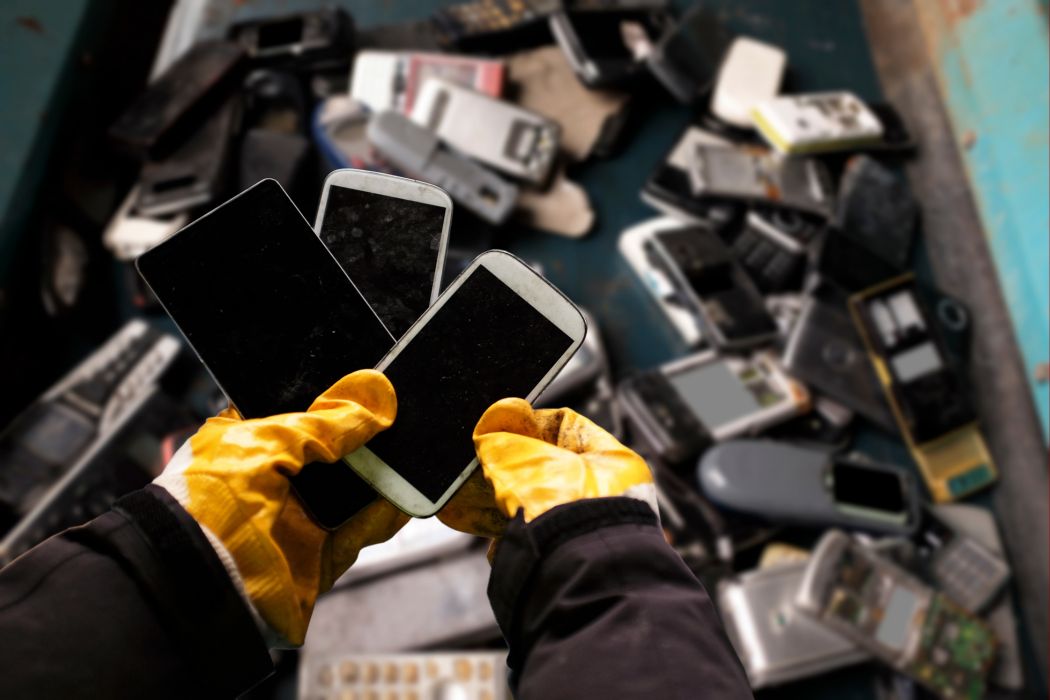
Recycle mobile phones has become an essential practice in today’s technology-driven world, where millions of devices are replaced every year. With rapid advancements in smartphone technology, consumers frequently upgrade their devices, often leaving old phones unused or discarded. This trend has led to a significant increase in electronic waste, making it more important than ever to adopt responsible methods for managing outdated devices 手機回收價. By choosing to recycle mobile phones, individuals and organizations can contribute to environmental protection, resource conservation, and the reduction of harmful waste.
Mobile phones are composed of various materials, including metals, plastics, and glass, many of which can be recovered and reused. Valuable elements such as gold, silver, and copper are commonly found in electronic components, and recycling allows these materials to be extracted and reintroduced into manufacturing processes. This reduces the need for mining new resources, which can be both environmentally damaging and energy-intensive. As a result, recycling not only minimizes waste but also supports a more sustainable production cycle.
The environmental impact of failing to recycle mobile phones is considerable. When discarded improperly, phones often end up in landfills, where they can release toxic substances into the soil and water. Components such as batteries and circuit boards contain chemicals that may pose risks to ecosystems and human health if not handled correctly. Recycling ensures that these hazardous materials are managed safely, preventing pollution and protecting natural resources. It is a proactive step toward reducing the long-term consequences of electronic waste.
Another important aspect of recycle mobile phones is the reduction of carbon emissions. Manufacturing new devices requires significant amounts of energy, from extracting raw materials to assembling components and transporting finished products. By recycling and reusing existing materials, the overall energy demand is lowered, leading to a decrease in greenhouse gas emissions. This makes recycling a valuable strategy in the fight against climate change, as it helps reduce the environmental footprint associated with the production of new electronics.
In addition to environmental benefits, recycling mobile phones also offers economic advantages. The recovery of valuable materials creates opportunities for businesses involved in the recycling and refurbishment industry. Recycled components can be used to manufacture new devices or other products, contributing to a circular economy where resources are continuously reused rather than discarded. This approach not only reduces waste but also creates jobs and stimulates economic growth in the recycling sector.
Consumer awareness plays a crucial role in promoting the practice of recycle mobile phones. Many people are unaware of the impact their old devices can have on the environment or the options available for responsible disposal. Educational campaigns and convenient recycling programs can encourage individuals to take action. Retailers, manufacturers, and local organizations often provide collection points or trade-in programs, making it easier for consumers to recycle their devices instead of throwing them away.
Data security is another important consideration when recycling mobile phones. Personal information stored on devices must be properly erased before they are handed over for recycling or refurbishment. Reliable recycling programs include data wiping processes to ensure that sensitive information is protected. By addressing these concerns, recycling initiatives can build trust and encourage more people to participate in responsible disposal practices.
The concept of reuse is closely linked to recycle mobile phones. Not all old devices need to be broken down for materials; many can be refurbished and used again. Refurbished phones provide an affordable alternative for consumers while extending the lifespan of electronic devices. This approach reduces the demand for new products and further minimizes environmental impact. By supporting reuse alongside recycling, society can make better use of existing resources and reduce unnecessary waste.
Technological innovation is also shaping the future of mobile phone recycling. Advanced recycling methods are being developed to improve the efficiency of material recovery and reduce environmental impact. These innovations enable the extraction of even small amounts of valuable materials, ensuring that fewer resources are lost. As technology continues to evolve, recycling processes will become more effective, making it easier to manage electronic waste on a larger scale.
Government policies and regulations play a significant role in encouraging recycle mobile phones. Many countries have introduced laws that require proper disposal of electronic waste and promote recycling initiatives. These regulations help ensure that manufacturers and consumers take responsibility for the lifecycle of electronic devices. By establishing clear guidelines and supporting recycling infrastructure, governments can drive widespread adoption of sustainable practices.
Corporate responsibility is another key factor in advancing the recycling of mobile phones. Many technology companies are taking steps to design products that are easier to recycle and to offer programs that encourage customers to return old devices. By prioritizing sustainability, businesses can reduce their environmental impact and demonstrate their commitment to responsible practices. This not only benefits the environment but also enhances brand reputation and customer trust.
The social impact of recycling mobile phones should not be overlooked. By reducing environmental damage and conserving resources, recycling contributes to the well-being of communities around the world. It also supports initiatives that provide refurbished devices to those in need, helping bridge the digital divide. Access to mobile technology can improve communication, education, and economic opportunities, making recycling a practice that benefits society as a whole.
Challenges remain in the widespread adoption of recycle mobile phones. Limited awareness, lack of convenient recycling options, and concerns about data security can discourage participation. Addressing these challenges requires collaboration between governments, businesses, and communities to create accessible and reliable recycling systems. By making recycling more convenient and transparent, it becomes easier for individuals to take part in sustainable practices.
In conclusion, recycle mobile phones is a vital step toward building a more sustainable and responsible future. It reduces environmental harm, conserves valuable resources, and supports economic and social development. As the use of mobile technology continues to grow, the importance of recycling will only increase. By making conscious decisions to recycle and reuse devices, individuals and organizations can play a significant role in protecting the planet and ensuring that resources are used efficiently for generations to come.